Benefits of Green Roofs and Living Walls in Urban Spaces
As cities continue to grow and urban environments expand, the need for sustainable and innovative solutions to combat environmental challenges becomes more pressing. Green roofs and living walls have emerged as remarkable additions to urban spaces, offering a host of environmental, economic, and aesthetic benefits. These structures not only transform concrete jungles into thriving ecosystems but also play a vital role in creating healthier and more resilient cities. Here’s an in-depth look at the many advantages of green roofs and living walls:
1. Improved Air Quality
Urban areas are often plagued by pollution, but green roofs and living walls can act as natural air purifiers.
Filtration of Pollutants: Plants on green roofs and living walls absorb harmful airborne particles, such as carbon dioxide and nitrogen oxides, while releasing oxygen.
Reduction of Dust and Smog: The greenery helps trap dust and reduce smog, contributing to cleaner, fresher air.
2. Thermal Insulation and Energy Efficiency
Green roofs and living walls enhance the energy efficiency of buildings by providing natural insulation.
Temperature Regulation: They help keep buildings cooler in the summer and warmer in the winter, reducing the need for artificial heating and cooling systems.
Lower Energy Costs: With decreased reliance on HVAC systems, energy bills are significantly reduced, leading to cost savings for property owners.
3. Stormwater Management
Heavy rainfall and inadequate drainage systems can lead to urban flooding, but green roofs and living walls help mitigate this issue.
Water Absorption: These structures absorb and retain rainwater, reducing the amount of runoff that reaches drainage systems.
Erosion Prevention: They minimize erosion by stabilizing soil and managing water flow.
4. Reduction of Urban Heat Island Effect
The urban heat island effect occurs when cities become significantly warmer than surrounding rural areas due to heat absorption by buildings and pavement.
Cooling Effect: Green roofs and living walls reflect sunlight and provide shade, reducing surface temperatures and the overall heat in urban areas.
Enhanced Comfort: Cooler urban environments contribute to more comfortable living conditions for residents.
5. Promotion of Biodiversity
Incorporating greenery into urban spaces provides essential habitats for various species.
Support for Pollinators: Green roofs and walls attract bees, butterflies, and birds, contributing to a balanced ecosystem.
Urban Ecosystems: They create pockets of biodiversity within cities, helping sustain wildlife populations.
6. Noise Reduction
Plants have natural sound-absorbing properties, making green roofs and living walls effective at reducing noise pollution.
Outdoor Noise Control: The layers of vegetation act as a buffer against street noise.
Indoor Quietness: Buildings with green roofs experience reduced sound transmission indoors, creating a more peaceful environment.
“In conclusion, green roofs and living walls are more than just architectural trends—they are powerful tools for transforming urban spaces into sustainable, livable environments. At Alarcons Landscaping, we are passionate about helping clients embrace green solutions that not only beautify their surroundings but also contribute to a healthier planet. Whether you’re looking to install a green roof or living wall, our team has the expertise to bring your vision to life.” Alarcons Lanscaping
7. Enhanced Aesthetic Appeal
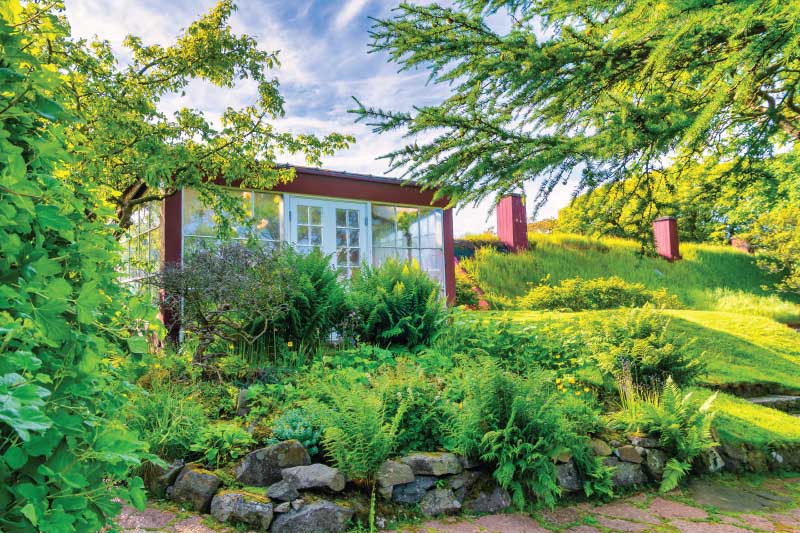
Green roofs and living walls transform the appearance of urban spaces, making them more attractive and inviting.
Visual Greenery: They soften the harsh look of concrete and steel, adding a touch of natural beauty.
Community Appeal: These installations can boost property values and make neighborhoods more desirable.
8. Mental and Physical Well-Being
Being surrounded by greenery has proven benefits for both mental and physical health.
Stress Reduction: Green spaces are known to lower stress levels and improve mood.
For cities aiming to adopt eco-friendly practices, green roofs and living walls play a significant role.
Carbon Sequestration: Plants capture and store carbon, reducing the overall carbon footprint of urban areas.
Sustainable Urban Planning: These features align with modern urban planning efforts to create environmentally responsible cities.
10. Economic Benefits
Beyond their environmental advantages, green roofs and living walls offer financial incentives.
Increased Property Value: Buildings with these features tend to have higher market value and attract tenants or buyers.
Longer Roof Lifespan: The protective vegetation extends the lifespan of roof membranes by shielding them from harsh weather conditions and UV exposure.
11. Educational and Community Opportunities
Green roofs and living walls can serve as educational tools and community engagement projects.
Learning Spaces: Schools and community centers can use them to teach about sustainability and environmental conservation.
Community Gardens: These spaces can be adapted to grow herbs, flowers, and vegetables, fostering a sense of community.